Why DIY Mold Remediation Fails in Fort Lauderdale Commercial Spaces
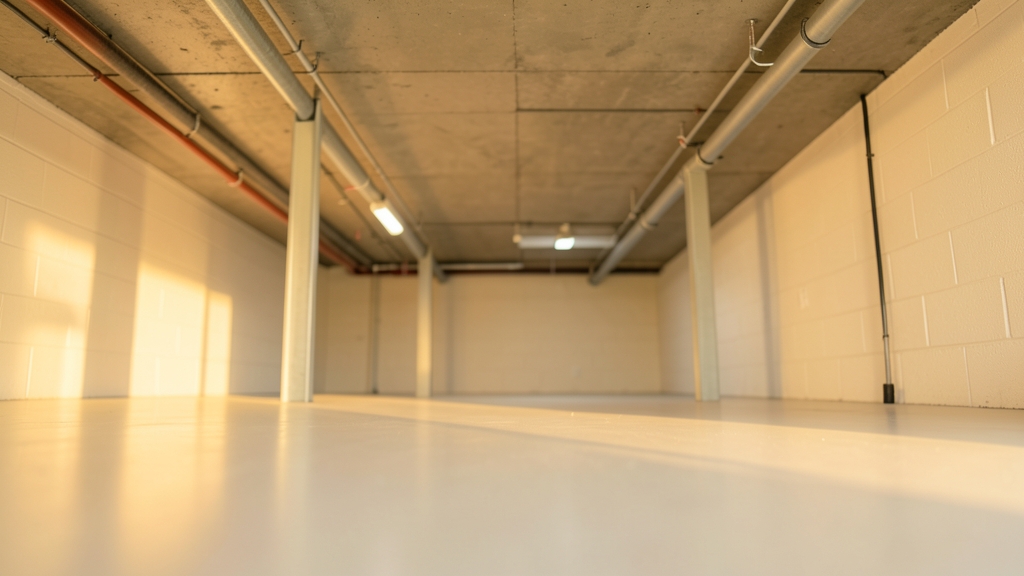
Commercial mold isn’t just a surface issue—it’s a structural, health, and liability risk. In South Florida’s humid climate, DIY fixes often miss hidden colonies in HVAC systems or behind drywall, turning a small problem into a costly shutdown. We’ve seen it firsthand in Oakland Park warehouses and Wilton Manors retail spaces.
The Hidden Complexity of Commercial Mold Growth
Mold in commercial buildings thrives in areas invisible to the naked eye: inside ductwork, above ceiling tiles, or beneath flooring. Unlike residential mold, commercial infestations often span thousands of square feet, fed by consistent moisture from leaks, poor ventilation, or high occupancy.
Species like Stachybotrys (black mold) or Aspergillus release mycotoxins that pose serious health risks to employees and customers. These aren’t problems a bleach spray or over-the-counter cleaner can resolve.
Prolonged exposure to commercial mold can trigger respiratory issues, allergies, and even neurological symptoms. OSHA and EPA guidelines require professional remediation for spaces over 10 square feet.
DIY Shortcomings: What Most Business Owners Overlook
DIY mold removal often stops at visible growth. Without moisture meters, thermal imaging, or air quality testing, you’re guessing where the problem starts and ends. In Plantation offices, we’ve found mold lurking behind insulation after a ‘successful’ DIY cleanup.
Improper containment spreads spores to clean areas. Without HEPA filtration and negative air pressure, mold can reinfest within days. Even dead mold spores can cause reactions if not fully removed.
Commercial vs. Residential Mold: Key Differences
Commercial spaces have larger HVAC systems, more foot traffic, and complex layouts—all of which accelerate mold spread. A leak in a Davie warehouse can saturate pallets, drywall, and inventory before it’s even noticed.
Regulatory standards are stricter for businesses. Failing to document remediation can lead to fines, lawsuits, or denied insurance claims. Residential rules don’t apply here.
| Factor | Commercial | Residential |
|---|---|---|
| Scale | Often 1,000+ sq ft, multi-room | Typically < 100 sq ft, isolated |
| HVAC Involvement | High (ductwork, vents, large units) | Low (smaller systems, less spread risk) |
| Regulatory Scrutiny | OSHA, EPA, local codes; documentation required | Minimal, unless severe |
| Moisture Sources | Leaks, high humidity, poor ventilation, occupancy | Leaks, humidity, fewer occupants |
| Reinfestation Risk | Very high without professional containment | Moderate with proper DIY steps |
The Role of Professional Mold Inspection and Testing
Before remediation, we conduct thorough mold inspections and air quality testing. This identifies the species, spore counts, and moisture sources driving growth. In Fort Lauderdale’s climate, even ‘dry’ buildings can harbor hidden humidity pockets.
Testing post-remediation confirms the job is done right. Without it, you’re flying blind—risking recurring issues that hurt your bottom line.
Skipping testing can lead to treating the wrong mold or missing secondary infestations. Lab results guide our remediation plan for maximum efficacy.
Why Containment and Air Filtration Are Non-Negotiable
Professional remediation uses containment barriers to isolate the affected area. Negative air pressure systems prevent spores from migrating to clean zones during removal.
HEPA air scrubbers capture airborne spores, and all debris is sealed in heavy-duty bags for disposal. These steps are impossible to replicate with household tools.
Long-Term Solutions: Moisture Control and Prevention
Remediation without moisture control is a temporary fix. We address root causes: repairing leaks, improving drainage, upgrading ventilation, or installing dehumidifiers in crawl spaces and attics.
In Oakland Park and Wilton Manors, older buildings often lack vapor barriers or proper grading. These oversights invite mold back within months.
Post-Remediation Moisture Control Checklist
- Fix all leaks in roofs, pipes, and HVAC systems
- Ensure proper grading away from the foundation
- Install or upgrade bathroom and kitchen exhaust fans
- Use dehumidifiers in high-moisture areas (keep humidity < 50%)
- Inspect and maintain HVAC systems regularly
- Seal crawl spaces and attics with vapor barriers
Compliance and Documentation: Protecting Your Business
Commercial mold remediation requires paperwork. We provide detailed reports for insurance, health departments, or legal purposes. This includes before/after testing, photos, and remediation protocols followed.
Without this, you risk non-compliance with Florida’s building codes or OSHA workplace safety standards. In a lawsuit, documentation is your first line of defense.
When to Call the Pros: Red Flags for Business Owners
If you see mold covering more than 10 square feet, or if it’s in your HVAC system, call us immediately. The same goes for musty odors without visible growth—hidden mold is often the culprit.
Water damage from storms or flooding? Time is critical. Mold can start growing within 24–48 hours. We’ve responded to urgent cases in Davie and Plantation after hurricane season leaks.
How to Respond to Suspected Commercial Mold
Act fast but smart to minimize damage and health risks.
- 1Isolate the Area
Close off the affected space and turn off HVAC systems to prevent spore spread. Do not disturb visible mold.
- 2Document the Issue
Take photos and notes of the mold’s location, size, and any water damage. This helps with insurance claims and our assessment.
- 3Contact a Professional
Call our team for an emergency mold inspection and testing. We’ll identify the scope and species before remediation begins.
- 4Avoid DIY Cleanup
Resist the urge to scrub or bleach the area. Improper cleaning can worsen the problem and expose you to health risks.
- 5Address Moisture Sources
While waiting for professionals, fix any active leaks or standing water to prevent further growth.
Frequently Asked Questions
Can I use bleach to kill mold in my Fort Lauderdale office?
Bleach only kills surface mold on non-porous materials and doesn’t address the roots or spores. For porous surfaces like drywall or carpet, bleach can worsen the issue by adding moisture. Professional remediation is the only reliable solution for commercial spaces.
How long does commercial mold remediation take?
Timelines vary based on the size of the infestation, the building’s layout, and the materials affected. Small, contained areas may take 1–3 days, while large or complex spaces (like warehouses in Plantation) can require a week or more. We provide a detailed estimate after inspection.
Is mold remediation covered by commercial insurance?
It depends on your policy and the cause of the mold. Many policies cover remediation if the mold results from a ‘covered peril’ like a burst pipe. However, exclusions often apply for long-term neglect or flooding. We work with your insurer to maximize coverage.
What’s the difference between mold removal and mold remediation?
Mold removal is the physical act of cleaning or discarding moldy materials. Remediation is a comprehensive process that includes containment, air filtration, moisture control, and prevention to ensure mold doesn’t return. We always perform full remediation for commercial clients.
Do I need to close my business during mold remediation?
Not always. For small, contained areas, we can often work after hours or in isolated zones. However, large infestations—especially in HVAC systems or high-traffic areas—may require temporary closure for safety. We’ll help you plan to minimize downtime.
How can I prevent mold in my Davie warehouse?
Control humidity with dehumidifiers, ensure proper ventilation, and inspect for leaks regularly. Store inventory off the floor, use moisture-resistant materials, and schedule annual mold inspections. Proactive moisture control is the best defense in South Florida’s climate.